The Legal Imperative: CE MDR & European Authorized Representative for Ice Bags in Europe
Selling a simple medical device like an ice bag in the European Economic Area (EEA) is not merely a commercial activity; it is a regulated process governed by strict laws. The requirement for a legally valid CE Marking under the Medical Device Regulation (MDR) and the appointment of a European Authorized Representative (EAR) are not optional best practices but fundamental legal obligations. Here’s why:
1. CE Marking under MDR: The Passport to the EU Market
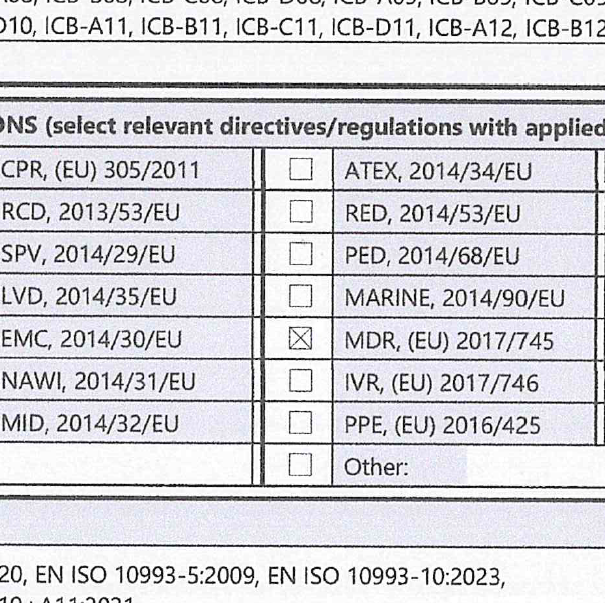
The CE Mark is a symbol that indicates a product's conformity with the health, safety, and environmental protection standards for the EEA. For an ice bag, this process falls under the
Medical Device Regulation (EU) 2017/745 (MDR).
-
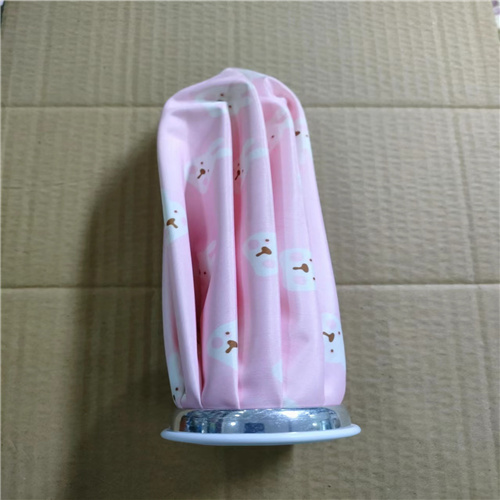
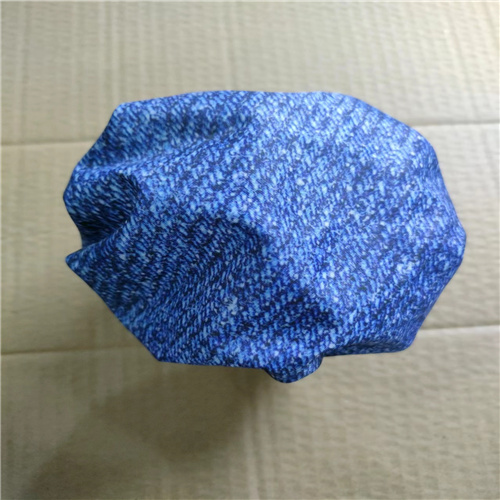
It is Legally Classified as a Medical Device: An ice bag is used for the purpose of managing inflammation, swelling, or pain through cold therapy. According to MDR Article 2(1), this qualifies it as a "medical device." Even as a low-risk device (typically Class I), it must undergo a conformity assessment procedure.
-
Demonstration of Safety and Performance: The CE marking process under MDR forces the manufacturer to systematically prove that the ice bag is safe and performs as intended. This involves:
-
Risk Management: Identifying potential risks (e.g., leakage causing slip hazards, skin damage from extreme cold, material toxicity) and implementing controls to mitigate them.
-
Biological Safety: Ensuring the materials (plastic, gel, fabric) are biocompatible and do not cause skin irritation or allergic reactions.
-
Technical Documentation: Creating a comprehensive file that details the design, manufacture, intended use, and evidence of compliance with all General Safety and Performance Requirements (GSPRs) outlined in MDR Annex I.
-
Clinical Evaluation: Providing evidence, based on existing literature or clinical data, that the device achieves its intended medical purpose.
-
Legal Access and Free Movement: The CE Mark is the product's "passport." Without it, the ice bag cannot be legally placed on the market in any of the 31 EEA countries. Customs authorities and market surveillance agencies can block its entry and sale.
2. European Authorized Representative (EAR): Your Legal Anchor in the EU
If the manufacturer of the ice bag is located outside the EU (e.g., in China, the USA, or the UK post-Brexit), MDR mandates the appointment of an EAR established within the EU.
-
Your Legal Liaison: The EAR acts as the mandated legal entity for the non-EU manufacturer. They are the primary contact for European authorities and customers on all regulatory matters.
-
Verification and Registration: The EAR is responsible for verifying that the manufacturer's Declaration of Conformity and technical documentation exist. They then register the device and themselves with the European database for medical devices (EUDAMED) and the relevant national competent authorities.
-
Point of Contact for Vigilance: In case of incidents or field safety corrective actions (e.g., a product recall due to a defective valve), the EAR manages the communication and reporting to the competent authorities.
-
Liability and Accountability: The EAR shares legal responsibility with the manufacturer. If a non-compliant product enters the market, the authorities will hold the EAR accountable alongside the manufacturer. This makes the EAR a crucial risk-mitigation partner.
-
Conclusion: An Inseparable Legal Duo
In summary, the CE MDR marking and the European Authorized Representative are inseparable components of the legal framework for selling an ice bag in Europe.
The CE MDR is the proof that the product meets the high standards of safety and performance required by law.
The EAR is the legally designated entity within the EU that ensures ongoing compliance and acts as the responsible contact point.
Attempting to sell an ice bag without this legal duo is illegal. It exposes the manufacturer to severe risks, including product seizure, fines, withdrawal from the market, and damage to brand reputation. Therefore, securing both is not just a regulatory hurdle but a critical foundation for successful and lawful market access.