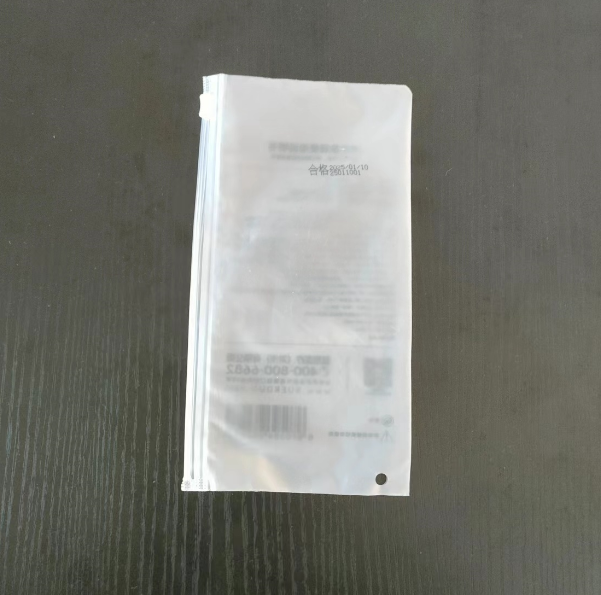
Common Packaging Methods for Reusable Sports Gel Ice Packs
Reusable sports gel ice packs are essential for athletes and active individuals to manage injuries and soreness. Their packaging is designed not only for retail appeal but, more importantly, for safety, durability, and information clarity. Here are the most common packaging methods:
1. Primary Packaging: The Direct Container
This is the material that is in direct contact with the product itself.
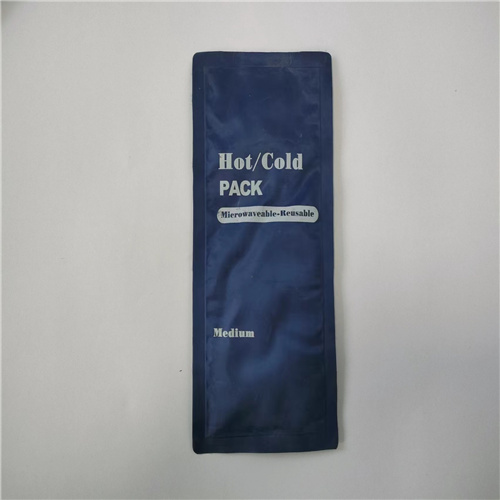
Stand-up Pouches: This is one of the most popular methods.
Description: These are flexible plastic bags, often made from laminated layers of polyethylene or polypropylene, that can stand upright on a shelf.
Advantages: They are lightweight, cost-effective, and offer a large surface area for branding, usage instructions, and warnings. The resealable zipper feature on some pouches allows for easy storage after use.
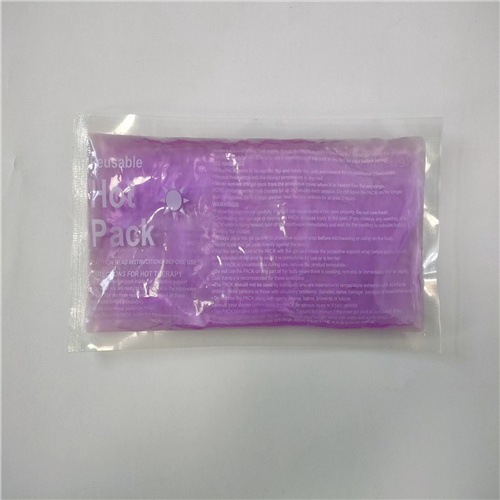
Blister Packs / Clamshells
Description: The ice pack is sealed between a pre-formed plastic "blister" and a sturdy cardboard back.
Advantages: This method provides excellent product visibility, allowing customers to see the ice pack's size, shape, and color. It is very durable and helps prevent theft (tamper-evident). The cardboard back serves as an ideal space for detailed graphics and text.
Vacuum-Formed Trays
Description: Similar to blister packs, but the plastic tray is custom-molded to the exact shape of the ice pack, holding it securely in place inside a box.
Advantages: Offers superior protection during shipping and handling, preventing the pack from shifting and potentially tearing. It gives a high-quality, premium feel.
2. Secondary Packaging: The Outer Box
For many ice packs, the primary package is placed inside a secondary container.
Folding Carton Boxes
Description: These are classic paperboard boxes that are shipped flat and assembled by the manufacturer.
Advantages: They provide a rigid structure that protects the ice pack from punctures and crushing. The large panels are perfect for high-quality printing, enabling brands to communicate key benefits, instructions for use (both hot and cold), safety warnings, and ingredients.
3. Key Information on Packaging
Regardless of the method used, effective ice pack packaging always includes:
Clear Branding and Imagery: Showing the product in use (e.g., on a knee or shoulder).
Usage Instructions: How to activate (if necessary), freeze, and heat the pack.
Safety Warnings: Crucial information such as "Do not microwave," "Not for consumption," "Do not apply directly to skin; always use a cloth barrier," and "Inspect for leaks before use."
Material List: Stating the gel and outer shell materials.
Size/Volume: Indicating the dimensions and gel weight.
In summary, the packaging for sports gel ice packs is a careful balance of marketing, protection, and critical user education. Stand-up pouches and blister packs with cardboard backing are the most prevalent due to their effectiveness in meeting these needs while being practical for both consumers and retailers.