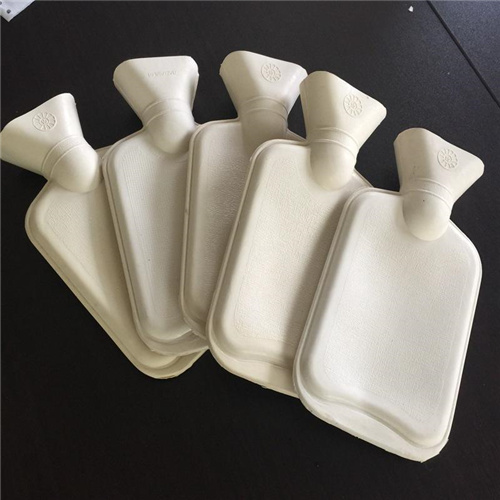
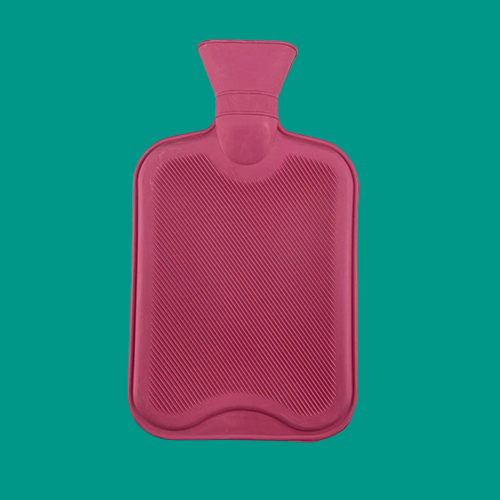
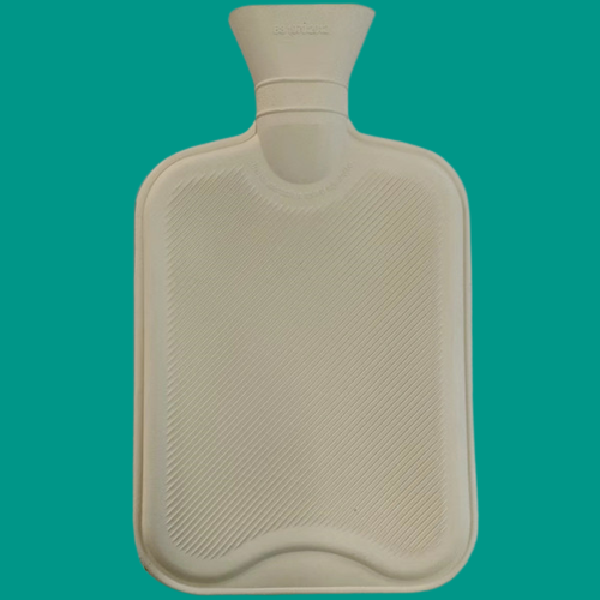
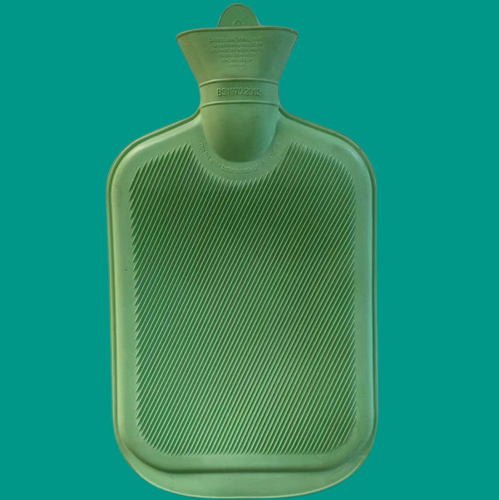
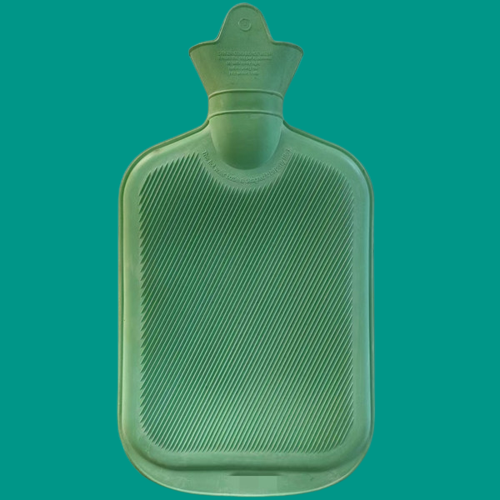
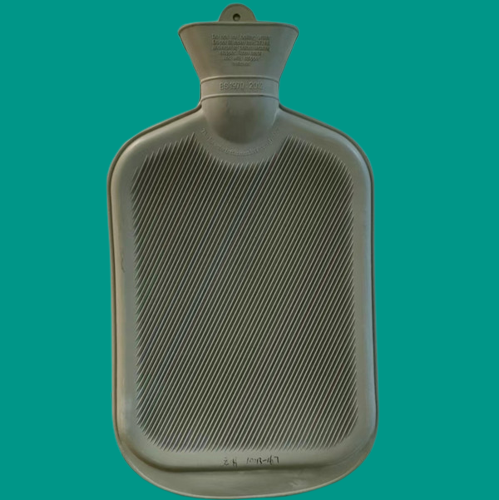
This HWB water capacity is 2000ml
Weight: 380-400g
Regular color: red, blue, white, gray
Bag body thickness 1.8-2mm
Large size, internal reinforced structure,
integral injection molded screw stopper
Rubber content percentage: 50%
Conform to BS1970:2012
Special note
This style of BS 2 liters of Hot water bottle
are less and less, the price of this model is slightly higher than the hot selling
standard 2 liters BS1970:2012 hot water bottle.
Product Overview
Our classic natural rubber hot water bottle represents over 40 years of manufacturing expertise. But this real 2L water capacity HWB been produced very low quantity.
The premium hot water bottle, once a staple of winter comfort, finds itself in a precarious position in today's price-driven market. Its journey from a valued household item to a product being gradually abandoned by manufacturers and importers is a classic tale of commercial Darwinism, where only the fittest—or in this case, the cheapest—survive.
The process of its decline unfolds through a vicious cycle impacting both the supply and demand sides:
1. The Squeeze on Margins and Shifting Business Models
For manufacturers and importers, the primary driver is the relentless pressure on profit margins.
Costly Quality: It requires thicker, higher-grade rubber or thermoplastic, more rigorous quality control to ensure durability and safety, and often better design and packaging. These factors significantly increase the unit cost of production.
The Race to the Bottom: The market becomes flooded with low-cost alternatives. These competitors use thinner materials, simpler designs, and minimal safety features, allowing them to offer prices that a premium manufacturer cannot match without operating at a loss.
Shift in Priority: The business logic shifts from "value per unit" to "volume sales." It becomes more profitable for a company to import and sell ten thousand low-margin units that turn over quickly than to tie up capital in two thousand high-quality units that sit in warehouses. The focus moves from cultivating a brand known for reliability to becoming a efficient distributor of commoditized goods.
2. The Erosion of Consumer Perception and Value
Simultaneously, the market's landscape alters how consumers perceive and purchase the product.
The "Disposable" Mindset: When faced with a wall of nearly identical-looking bottles at drastically different price points, the average consumer, often unaware of the long-term benefits of a superior product, will gravitate towards the cheapest option. The hot water bottle becomes a "low-involvement purchase"—a simple commodity, not an investment.
Diluted Brand Power: In a crowded field of cheap imports, the reputation of a quality brand gets drowned out. Consumers, burned by a cheap bottle that leaks, don't necessarily seek out a better brand next time; they simply buy another cheap one, reinforcing the cycle.
The Erosion of "Good Value": The very concept of "paying more for quality" loses its meaning when the baseline product is so cheap. The price gap between a cheap bottle ($5) and a premium one ($25) seems unjustifiable to a consumer who views the core function (holding hot water) as being the same.
3. The Final Stages of Abandonment
This leads to the final, quiet phase of abandonment by the very entities that once championed it:
Rationalization of Product Lines: Importers and retailers, analyzing their sales data, see the premium bottle's slow turnover. Shelf space is precious. They make a calculated decision to delist the slow-moving, high-quality item in favor of the fast-selling, cheaper versions. The premium option simply vanishes from mainstream view.
Manufacturer Pivot or Exit: Faced with dwindling orders, the manufacturer of the quality bottle is forced to make a choice: compromise on materials and quality to compete on price (thus destroying the product's core identity), or cease production altogether. Many choose the latter, unwilling to tarnish their reputation with an inferior product.
Nicheification: The high-quality hot water bottle doesn't disappear entirely but is relegated to a niche market. It might be sold as a "luxury," "heritage," or "artisanal" product through specialty retailers or online stores, with a price tag that reflects its new status as a boutique item, far removed from the mass market where it once thrived.
In conclusion, the superior hot water bottle is not so much defeated as it is slowly suffocated. It becomes a casualty of a market that no longer recognizes or rewards its inherent value, leading manufacturers and importers to make the purely rational, if regrettable, decision to walk away, leaving a vacuum filled by products that are adequate for a single winter, but not built to last a lifetime.
 ∷
∷
 ∷
∷
 ∷
∷
 ∷
∷