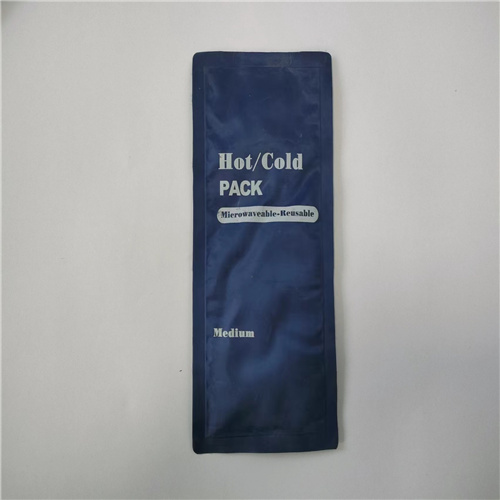
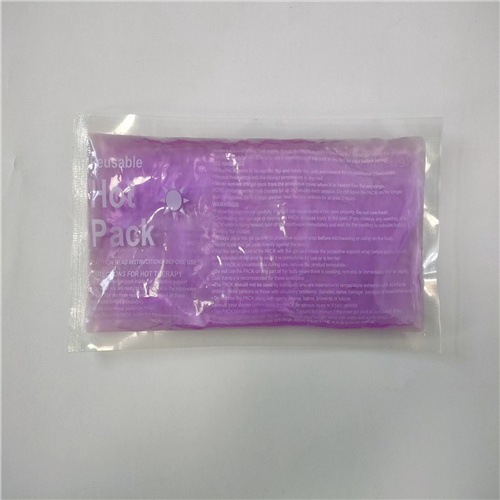
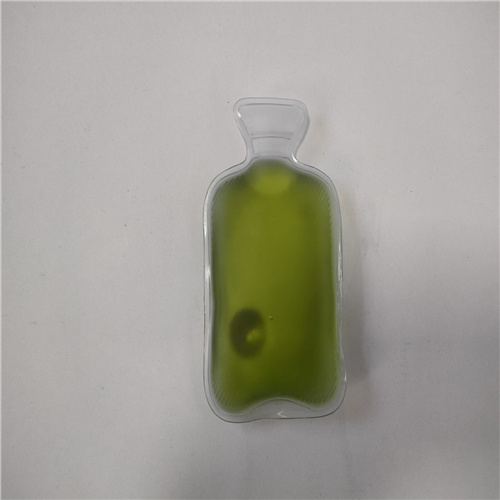
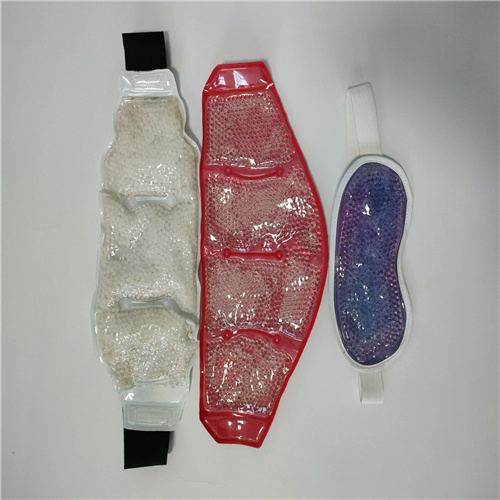
Hot cold gel packs
Safety Considerations for Hot and Cold Gel Packs
- Product description: Using gel packs for pain relief? Read our key safety tips first. Learn about temperature limits, using a barrier, and avoiding direct skin contact to use our hot and cold packs safely.
-
Safety Considerations for Hot and Cold Gel Packs
Hot and cold gel packs are convenient and effective tools for pain relief and managing injuries. However, their safe use is paramount to prevent burns, tissue damage, or other injuries. The safety guidelines differ significantly based on whether you are using a hot pack or a cold pack.
Cold Gel Packs: Guarding Against Frostbite and Tissue Damage
The primary risk of cold therapy is frostbite or cold-induced nerve damage. The gel inside these packs can become extremely cold and hold that temperature for a prolonged period.
Always Use a Barrier: Never apply a cold pack directly to the skin. Always wrap it in a thin towel or cloth. This creates an insulating layer that prevents the extreme cold from damaging the skin.
Limit Application Time: Do not use a cold pack for more than 15-20 minutes at a time. Prolonged exposure can interrupt blood flow and harm the skin and underlying tissues.
Allow Tissue Recovery: After a session, remove the pack and allow the area to return to its normal temperature completely (typically for at least 60 minutes) before reapplying.
Inspect for Damage: Check the pack for leaks or punctures before use. The gel substance, while often non-toxic, can cause skin irritation and the pack will be ineffective if compromised.
Hot Gel Packs: Preventing Burns and Scalds
The main danger with heat therapy is the risk of burns. The packs can become very hot, and because they are pliable, they can conform to the skin, creating a high-risk situation for burns if used improperly.
Follow Heating Instructions Carefully: Do not overheat the pack in a microwave or boiling water. Overheating can cause the gel to become scalding hot and may also damage the pack, leading to ruptures.
Use a Protective Layer: Similar to cold packs, always wrap a hot pack in a towel or cloth before applying it to your body. Direct skin contact can result in first or second-degree burns very quickly.
Check the Temperature: Before application, test the temperature of the wrapped pack on a sensitive area of skin, like your inner forearm, to ensure it is warm and comfortable, not uncomfortably hot.
Never Use on Numb Skin or Broken Skin: Do not apply heat to an area where you have reduced sensation, as you may not feel the pack burning you. Also, avoid using it on open wounds.
Avoid Lying on the Pack: Your body weight can press the pack tightly against your skin, increasing heat intensity and reducing blood flow, which significantly raises the risk of a burn.
General Safety for Both Types
Inspect Before Use: Always examine the pack for any tears, leaks, or broken seals. A damaged pack should be discarded immediately.
Supervise Children and Vulnerable Individuals: These packs should always be used by or under the supervision of an adult, especially for children, the elderly, or individuals with conditions that impair their ability to sense temperature (like diabetic neuropathy).
In conclusion, while hot and cold gel packs are simple to use, their safety relies entirely on correct application. By respecting their temperature extremes and using a protective barrier, you can effectively harness their therapeutic benefits while minimizing the risk of injury.
 ∷
∷
 ∷
∷
 ∷
∷
 ∷
∷