The Symbiotic Relationship: Sublimation Printing & Microwavable Heating Pack Fabrics
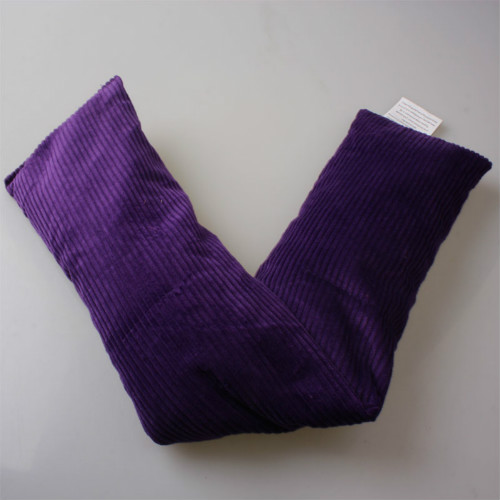
The vibrant, photo-realistic designs often seen on microwavable heating packs are primarily achieved through a printing process called sublimation. This process shares a crucial, symbiotic relationship with the most common fabrics used for these packs: polyester-based textiles or polyester-coated materials.
Here’s a breakdown of this essential relationship:
1. The Core Principle: A Molecular Bond
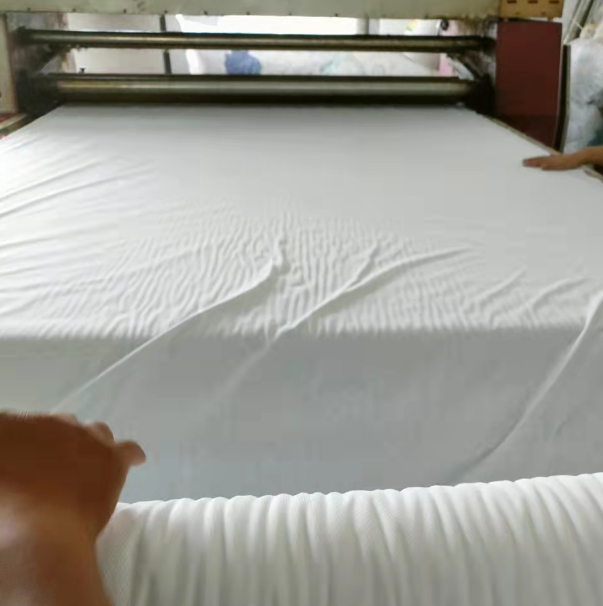
Sublimation printing uses heat (typically between 350°F - 400°F or 175°C - 200°C) to turn solid dye particles directly into a gas, bypassing the liquid stage. This gas then penetrates the surface of the fabric and bonds with its fibers on a molecular level. For this bond to occur, the fabric must be synthetic, specifically polyester or have a high polyester content.
2. Why Polyester is the Ideal Partner
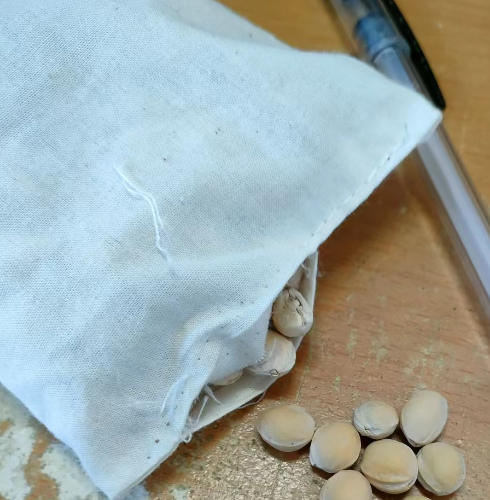
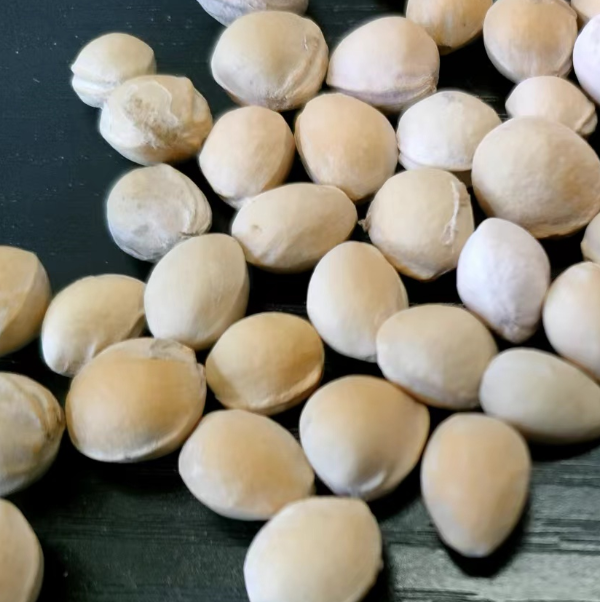
Microwavable heating packs are commonly filled with grains like wheat, rice, or flaxseed, and sometimes herbs. The fabric shell must be durable, able to withstand repeated heating and cooling, and contain the filling without leaking dust. Polyester fits this role perfectly, and it also happens to be the perfect canvas for sublimation:
Synthetic Receptiveness: Polyester fibers are thermoplastic. When heated during the sublimation process, the polymer chains in the fibers open up, allowing the gaseous dye to infuse deeply. As the fabric cools, the fibers close, permanently trapping the dye inside the fabric, not just on top of it.
Durability Under Heat: The fabric of a heating pack must endure the heat of a microwave. Polyester is inherently heat-resistant within the range used for both sublimation and microwave warming. This ensures the design won't be damaged during the pack's intended use.
Vibrant and Wash-Fast Results: Because the dye becomes part of the fiber, the printed design is extremely durable. It won't crack, peel, or fade easily, even after numerous trips through the microwave and subsequent handling. The colors remain exceptionally vibrant.
3. The Result: A Perfect Product
This relationship results in a superior end product:
Aesthetic Appeal: Sublimation allows for unlimited, intricate, and full-color designs. This transforms a simple therapeutic tool into a stylish, marketable product featuring everything from calming mandalas and nature scenes to custom logos or fun patterns.
Functional Integrity: The print does not affect the fabric's functionality. It remains flexible, breathable, and, most importantly, capable of being safely heated in a microwave. The dye itself is inert and does not interfere with the heating process.
In summary, the relationship is one of necessity and mutual benefit. Sublimation printing requires the synthetic properties of polyester to create permanent, vibrant designs. Conversely, polyester fabric—the ideal material for constructing durable microwavable packs—finds its perfect decorative match in sublimation, a process that enhances its visual appeal without compromising its practical function. This synergy is why the vast majority of beautifully patterned heating packs on the market are made from polyester and adorned using sublimation technology.
 ∷
∷
 ∷
∷
 ∷
∷
 ∷
∷