Common Failure Modes and Root Causes
1. Thermal Degradation of the Fill Material
Failure Mode: The pack develops a burnt smell, smokes in the microwave, or produces localized scorch marks. Heat output diminishes or becomes uneven.
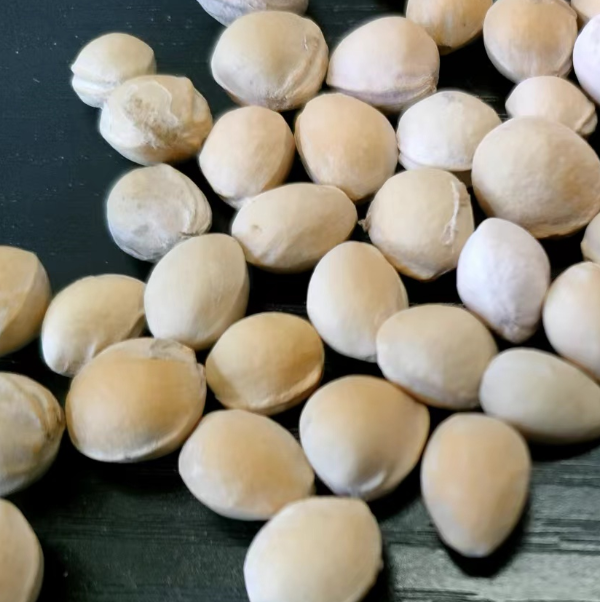
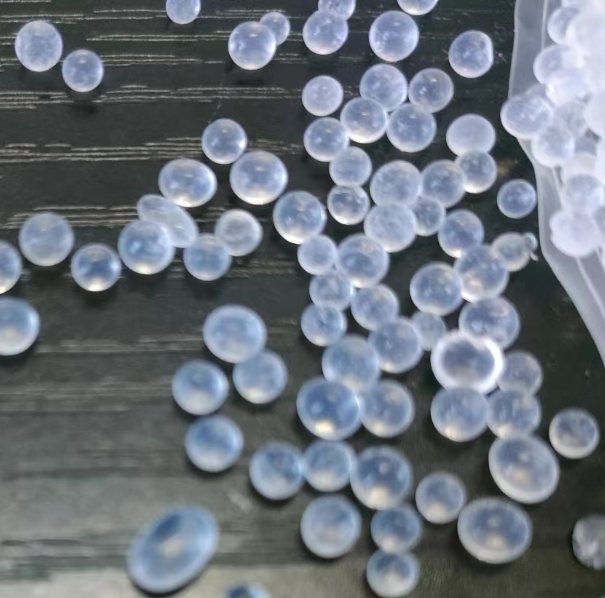
Root Cause: Overheating in the microwave. Moisture within the grains or gel evaporates over time. Dry organic material (e.g., wheat, rice) can overheat beyond its ignition point if microwaved for too long. Gel beads can break down chemically or physically.
2. Moisture-Related Failure
Failure Mode: Mold or mildew growth inside the pack, emitting a musty odor. For grain packs, this can also lead to clumping and ineffective heating.
Root Cause: Introduction of moisture, usually from improper use (e.g., used as a cold pack without a proper waterproof barrier) or storage in a humid environment. The organic fill acts as a perfect breeding ground for microbes once moist.
3. Shell Fabric Failure
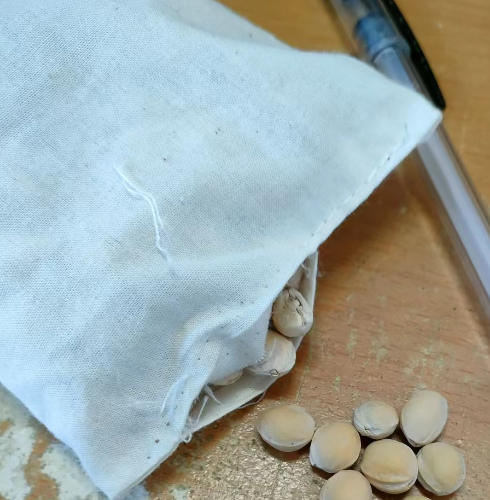
Failure Mode: Rupture, seam splitting, or fabric thinning leading to leakage of fill material.
Root Cause:
-
Abrasion & Fatigue: Repeated flexing and use.
-
Thermal Stress: Repeated heating and cooling cycles weaken fabric fibers.
-
Overheating: Extreme heat can melt or scorch synthetic fabrics.
-
Poor Manufacturing: Weak seams or low-quality fabric.
4. Failure of Closure Mechanisms
Failure Mode: The pack opens during use, spilling fill material. This is a significant safety and cleanliness issue.
Root Cause: Failure of stitches, Velcro, or zippers due to stress, thermal degradation, or lint/dust clogging the closure.
5. User-Induced Failures
Failure Mode: Inconsistent heating, burns, or sudden rupture.
Root Causes:
-
Overheating: Exceeding recommended microwave time is the single most common cause of catastrophic failure (scorching, fire risk).
-
"Hot Spot" Formation: Microwaving without a surrounding cup of water or without kneading the pack to distribute the fill evenly can create dangerous, localized superheated areas.
-
Improper Use: Using the pack for purposes it wasn't designed for (e.g., excessive weight bearing, using as a cold pack without a cover).
6. Contamination
Failure Mode: Unclean exterior or interior leading to stains or hygiene concerns.
Root Cause: The fabric shell absorbs body oils, lotions, or sweat over time. If the fill is exposed to moisture, internal bacterial or fungal growth can occur.
Failure Effects and Consequences
Minor: Loss of therapeutic function, inconvenience.
Moderate: Messy cleanup from spilled grains or gel, financial loss from replacing the pack.
Severe: Safety Hazards including risk of:
-
Burns: from leaks of hot gel or contact with overheated sections.
-
Fire: from ignition of dry grain fill.
-
Allergic Reactions/Mold Exposure: from inhalation or contact with contaminated fill.
Mitigation and Prevention Strategies
-
Strictly Follow Heating Instructions: Never over-microwave. Use lower power settings and shorter intervals, often with a cup of water alongside.
-
Regular Inspection: Check for wear, thinning fabric, loose seams, or odors before each use.
-
Proper Storage: Keep in a cool, dry place. Allow to cool completely before storage.
-
Use a Cover: Employ a removable, washable cloth cover to absorb moisture and oils, protecting the main shell.
-
Knead After Heating: Always redistribute the fill after microwaving to eliminate hot spots.
-
Respect Lifespan: Recognize that these are consumable products with a finite service life (often 1-2 years with regular use) and replace them when signs of degradation appear.
Conclusion: The primary failure modes of microwavable heat packs stem from the combined effects of thermal stress, material degradation, and user error. While generally safe, their inherent design—combining organic or chemical fill with fabric in a high-energy environment—makes them susceptible to failures that can escalate from mere inconvenience to serious safety risks. Proactive user care is the most critical factor in extending their safe and functional life.
 ∷
∷
 ∷
∷
 ∷
∷
 ∷
∷