Welcome: Yangzhou BoFaTe International Trading Co.,Ltd
Language: Chinese ∷  English ∷  Spain ∷  Deutsch ∷ 
li@bofatetrading.com 8615189700574
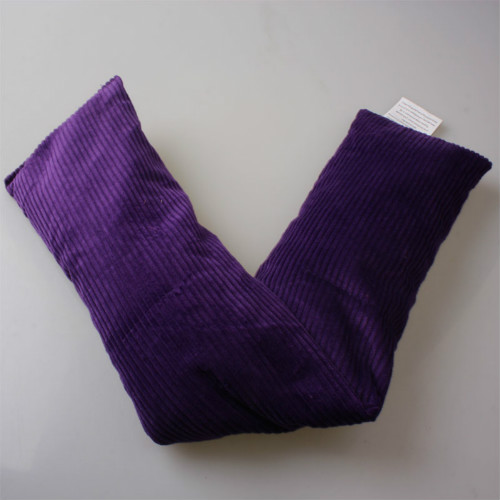
Microwavable personal warmers - Heat Therapy

  • Limitations of Using Natural Fibers for Wheat Bags
Limitations of Using Natural Fibers for Wheat Bags

Limitations of Using Natural Fibers for Wheat Bags

  • Product description: Explore the key limitations of using natural fibers like cotton or muslin for wheat bags. Learn about durability, heat retention, moisture sensitivity, and cleaning challenges to make an informed choi
  • INQUIRY   EMAIL

Limitations of Using Natural Fibers for Wheat Bags

While using natural fibers like cotton, linen, or flannel for the outer bag is common and has benefits, it also comes with several distinct limitations.
Here are the main limitations:

Limited Heat Resistance and Durability:

Explanation: Natural fibers are organic materials that can degrade with repeated exposure to high heat. Over time, the intense heat from the microwave can cause the fibers to become brittle, weak, and prone to tearing or developing thin spots. This is a significant safety concern, as a tear can spill the heated grains, creating a burn hazard or a mess.
Synthetic Comparison: Some synthetic fabrics (like specific heat-resistant nylons or polyesters) are engineered to withstand higher temperatures for longer periods without degrading.

Absorbency and Moisture Retention:

Explanation: A key property of natural fibers like cotton is their high absorbency. If the wheat inside the bag absorbs any ambient moisture (a common occurrence in humid environments), the natural fiber bag will also hold that moisture. When microwaved, this dampness can lead to:
  • Uneven Heating: The bag may heat unevenly, with damp spots becoming dangerously hot while other areas remain cool.
  • Mildew and Mold Growth: If stored without being completely dry, the combination of organic fiber and a natural grain filling creates a perfect environment for mold and mildew to grow. This can ruin the bag, cause unpleasant odors, and pose a health risk.
Synthetic Comparison: Many synthetic fibers are hydrophobic (water-repelling), which helps them dry faster and resist mold growth.

Strength and Abrasion Resistance:

Explanation: While strong, natural fiber fabrics can be less resistant to abrasion and pilling than their synthetic counterparts. The constant movement of the grain filling inside the bag, along with regular use (being bent, sat on, or laid on), can cause the fabric to wear out faster. A double-layered or heavier fabric can mitigate this, but it adds to the cost and bulk.

Cost and Availability:

Explanation: High-quality, tightly-woven natural fabrics can be more expensive than basic synthetic fabrics. For commercial manufacturers, this increases the production cost compared to using cheaper, mass-produced synthetic materials.

Limited Functional Finishes:

Explanation: Synthetic fabrics can be manufactured with specific functional finishes, such as permanent flame retardancy or enhanced water resistance. While natural fabrics can be treated with these finishes, the treatments are often less durable and may wash out over time, especially since wheat bags should not be frequently washed.

In summary, while natural fibers are prized for being breathable, biodegradable, and soft against the skin, their limitations for wheat bags primarily revolve around long-term durability under high heat, moisture management, and potential for microbial growth. These factors are crucial for both the safety and the longevity of the product. Users must be extra cautious to avoid overheating and ensure the bag is completely dry before use and storage.

Inquiry: