The Modern Mass Produced Microwavable Heat Pack vs. The Handcrafted Wheat Bag
In the realm of heat therapy, two distinct products offer warmth and comfort: the mass-produced microwavable heat pack and the small-batch, handcrafted wheat bag. While they serve a similar purpose, their nature, creation, and character are worlds apart.
1. The Mass-Produced Microwavable Heat Pack
This product is a child of modern industry and efficiency. Designed for uniformity and scale, it is characterized by its standardized, clinical appearance.
-
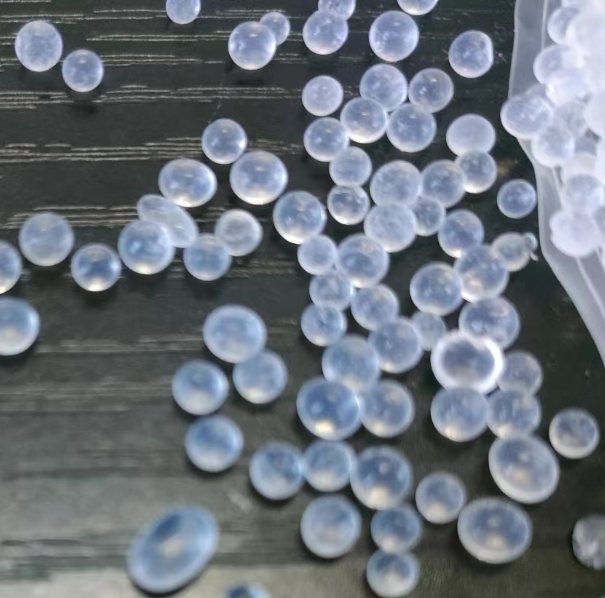
Production & Scale: It is born on a fast-moving assembly line. Machines automatically fill synthetic pouches with a consistent blend of materials like gel, clay, or grains. Every unit is identical, a perfect replica of the one before it, produced by the thousands in sterile factories.
-
Materials & Design: The outer shell is often a sleek, waterproof plastic or polyester fabric, chosen for durability and easy cleaning. Its design is functional and minimalist, frequently coming in neutral colors. The heat source inside is engineered for precise, even, and long-lasting heat retention.
-
Character & Experience: The mass-produced pack is a utilitarian object. It is highly effective and convenient, available instantly on pharmacy or supermarket shelves. Its personality is impersonal but reliable, like a modern appliance. It provides consistent, predictable heat, but offers little in terms of aesthetic warmth or tactile charm.
2. The Handcrafted Wheat Bag (or Heating Pillow)
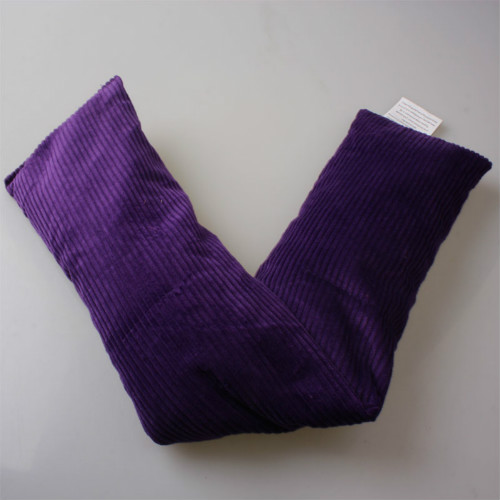
In contrast, the handcrafted wheat bag is an artifact of personal care and artistry. Each piece is unique, bearing the subtle signature of the maker.
-
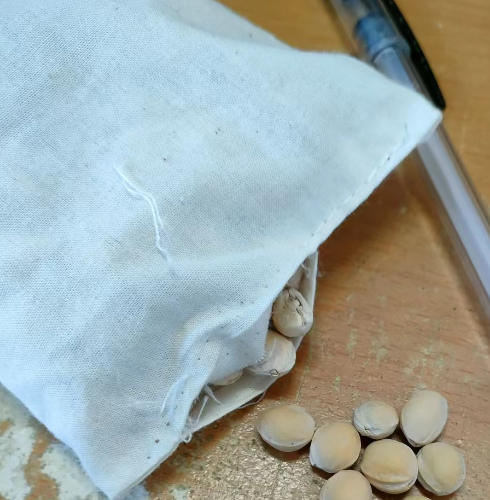
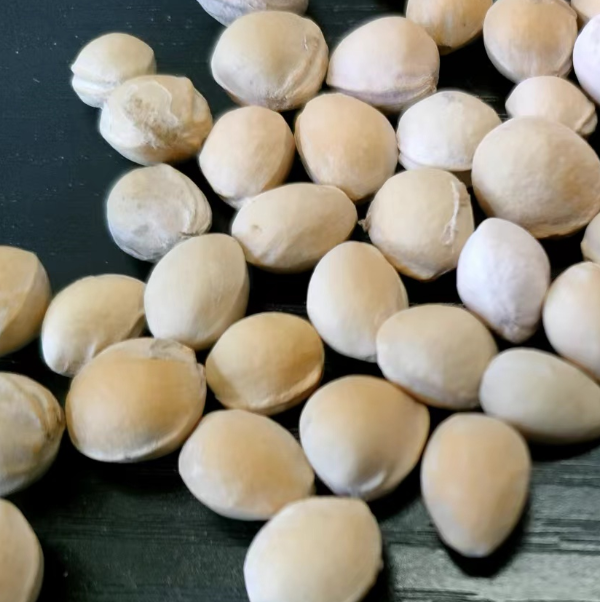
Production & Scale: It is created slowly and deliberately, one at a time. A craftsperson selects the fabric, cuts the pattern, and carefully stitches the seams, often by sewing machine but sometimes entirely by hand. The filling—typically natural wheat, flaxseed, or rice—is poured in measured amounts before the final closure. Production is counted in dozens, not thousands.
-
Materials & Design: The soul of the wheat bag lies in its materials. The outer fabric is usually a natural fiber like soft, breathable cotton, flannel, or even luxurious silk or linen. These fabrics often feature charming patterns, calming colors, or whimsical prints. The use of natural grains means it emits a gentle, comforting, earthy aroma when warmed.
-
Character & Experience: This product feels personal and nurturing. It may be a gift from a loved one or a small indulgence purchased from a local artisan. Its warmth is not just physical; the soft, natural fabric and the slight, pleasing weight of the grains provide a deeply soothing, almost nostalgic comfort. No two are exactly alike, and this uniqueness is central to its appeal.
Summary of Differences: