Welcome: Yangzhou BoFaTe International Trading Co.,Ltd
Language: Chinese ∷  English ∷  Spain ∷  Deutsch ∷ 
li@bofatetrading.com 8615189700574
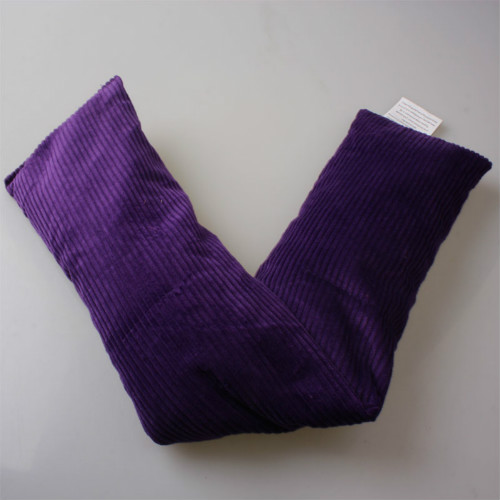
Microwavable personal warmers - Heat Therapy

  • The Impact of PP Cotton Filling on Heat Retention in a Stuffed Toy
The Impact of PP Cotton Filling on Heat Retention in a Stuffed Toy

The Impact of PP Cotton Filling on Heat Retention in a Stuffed Toy

  • Product description: Learn how the amount of polypropylene (PP) cotton filling in a heatable stuffed toy directly impacts its heat retention time. Discover the ideal stuffing density for longer warmth and optimal comfort.
  • INQUIRY   EMAIL

Explanation: The Impact of PP Cotton Filling on Heat Retention in a Stuffed Toy

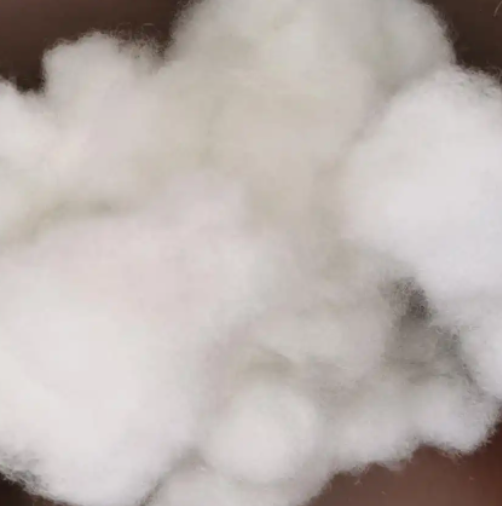
In a heatable stuffed toy, the PP cotton (polyester fiberfill) is the fluffy, non-woven synthetic fiber that surrounds the internal heat source (like a Hot water bottle, microwaveable grain pack, or electric heating unit). Its primary functions are to provide shape, softness, and, most critically, thermal insulation.

The amount of PP cotton filling directly influences the toy's heat retention time through two main physical principles:

1. Insulation and Air Trapping:

PP cotton is an effective insulator not because the fibers themselves are warm, but because they trap and hold air. Air is a poor conductor of heat. The more PP cotton used (up to an optimal point), the more air pockets are created and stabilized within the toy's structure. This thick layer of still air acts as a barrier, dramatically slowing down the rate at which heat escapes from the core to the outside environment. Therefore, a higher filling density generally leads to longer, more sustained warmth.

2. Heat Capacity and Thermal Mass:

While PP cotton has a relatively low specific heat capacity compared to materials like water or clay, a larger mass of it still adds to the overall thermal mass of the toy. This means the toy can "store" a bit more heat energy. More importantly, the PP cotton absorbs heat from the core and releases it gradually. With more filling, this buffer effect is enhanced, preventing the heat from being released all at once and contributing to a more even, prolonged heat output.

The Relationship in Practice:

Optimal/High Filling: A well-stuffed toy with ample, evenly distributed PP cotton provides excellent insulation. It maximizes heat retention, ensures the outer surface stays at a comfortable temperature (preventing burns), and delivers warmth for the longest possible duration. The heat dissipates slowly and uniformly.
Low/Insufficient Filling: A sparsely filled toy has poor insulation. Heat from the core escapes rapidly to the surface and dissipates into the air. This results in:
  • A shorter overall warmth duration.
  • A surface that may become too hot too quickly, then cool down just as fast.
  • Potential discomfort as the hard heat pack can be felt directly through the thin layer of fabric and filling.

Important Consideration: Balance is Key

There is an optimal range. Over-stuffing can be counterproductive. It can make the toy too firm and less cuddly. More critically, if compressed too tightly, the air pockets between the PP cotton fibers collapse, reducing their insulating properties. It can also prevent the heat pack from being inserted or removed easily.

In summary: Within the optimal range, increasing the PP cotton filling amount directly increases the heat retention time of a heatable stuffed toy by improving thermal insulation through air entrapment and adding slightly to its heat-buffering capacity. The goal is a plush, well-insulated barrier that allows heat to escape slowly and safely.

Inquiry: