Welcome: Yangzhou BoFaTe International Trading Co.,Ltd
Language: Chinese ∷  English ∷  Spain ∷  Deutsch ∷ 
li@bofatetrading.com 8615189700574

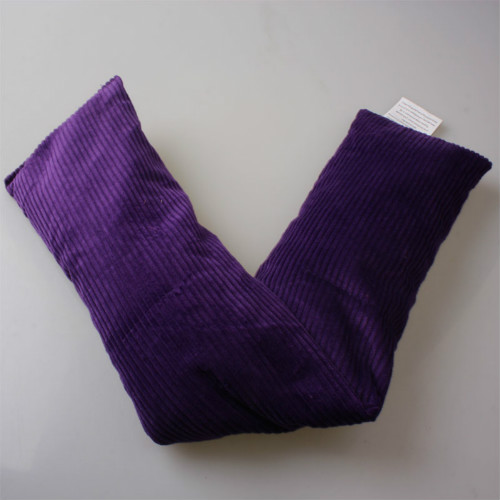
Microwavable personal warmers - Heat Therapy

  • Why MPW Are Not Considered Medical Devices Under BS 8433:2004
Why MPW Are Not Considered Medical Devices Under BS 8433:2004

Why MPW Are Not Considered Medical Devices Under BS 8433:2004

  • Product description: Understand the BS8433:2004 product safety classification: Microwavable personal warmers are not considered medical devices, falling instead under general consumer product safety and performance requir
  • INQUIRY   EMAIL

Explanation of Why Microwaveable Personal Warmers Are Not Considered Medical Devices Under BS 8433:2004

BS 8433:2004 is a British Standard titled "Specification for microwaveable personal warmers". The very nature of this standard, as indicated by its title and scope, provides the primary reason why the products it covers are not classified as medical devices.

Here is a detailed explanation:

1. Core Purpose and Intended Use:

  • The standard defines a "microwaveable personal warmer" as a product designed to be heated in a microwave oven and used to provide comfort warmth.
  • The key term is "comfort." The intended purpose is alleviation of mild, temporary discomfort associated with feeling cold, or for general relaxation and well-being. This is distinct from a medical purpose, such as treating a disease, injury, disability, or making a medical diagnosis.
  • Manufacturers of these products cannot claim they treat, cure, or mitigate specific medical conditions (e.g., arthritis pain, muscle injuries, or circulatory disorders). Their marketing and labeling are restricted to comfort and warmth.

2. Scope of BS 8433:2004:

  • The standard focuses exclusively on safety, performance, and labeling requirements for consumer products that generate heat via microwave activation. Its clauses cover:
Construction requirements (e.g., durability, leakage prevention).
Temperature performance (maximum surface temperatures to prevent burns).
Instructions for safe heating and use.
Warnings against use by certain individuals (e.g., infants, diabetics, those with impaired sensitivity) unless advised by a doctor—a warning based on general safety, not medical application.
  • It does not set requirements for therapeutic efficacy, dosage, or clinical performance, which are hallmarks of standards for medical devices.

3. Regulatory Context & Distinction from Medical Devices:

  • In the UK and EU, a product is defined as a medical device under regulations (like the UK Medical Devices Regulations 2002 or EU MDR 2017/745) if its intended purpose, as declared by the manufacturer, is for medical use as defined above.
  • Since the manufacturer of a BS 8433-compliant warmer declares its purpose as "providing comfort warmth," it falls under general consumer product safety regulations. It is regulated as a domestic appliance, similar to a Hot water bottle or electric blanket (for non-medical use).
  • If a manufacturer made claims like "treats rheumatoid arthritis pain" or "improves blood circulation for therapeutic purposes," the product would need to be reclassified as a medical device. It would then have to comply with entirely different standards and conformity assessment procedures (e.g., risk management per ISO 14971, essential safety and performance requirements), and BS 8433 would no longer be the appropriate standard.

4. Risk Profile and Design:

  • The standard addresses risks like overheating, burns, and microwave incompatibility—typical consumer product hazards.
  • It does not address risks associated with medical device use, such as biocompatibility, electromagnetic compatibility in a clinical environment, or software safety for therapeutic control.
In summary, under BS 8433:2004, a microwaveable personal warmer is defined and standardized as a consumer comfort product, not a medical device. This distinction is based on its manufacturer's declared intent for general warmth and comfort, its exclusion from medical purpose claims, and the scope of the standard itself, which addresses consumer safety rather than medical efficacy or safety.
Inquiry: