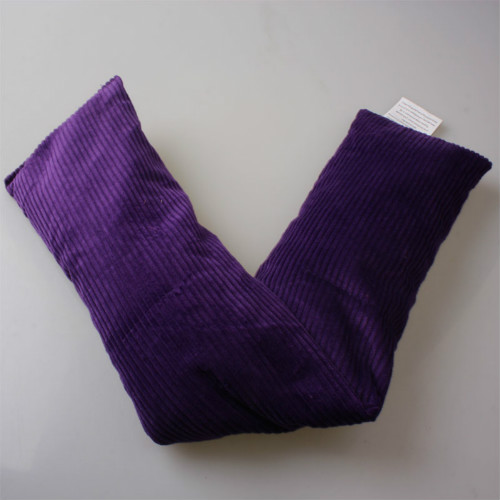
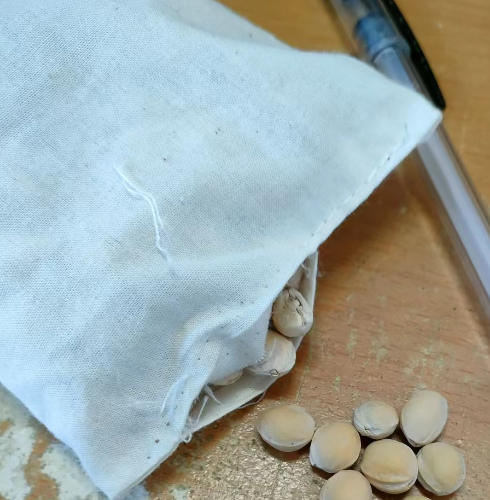
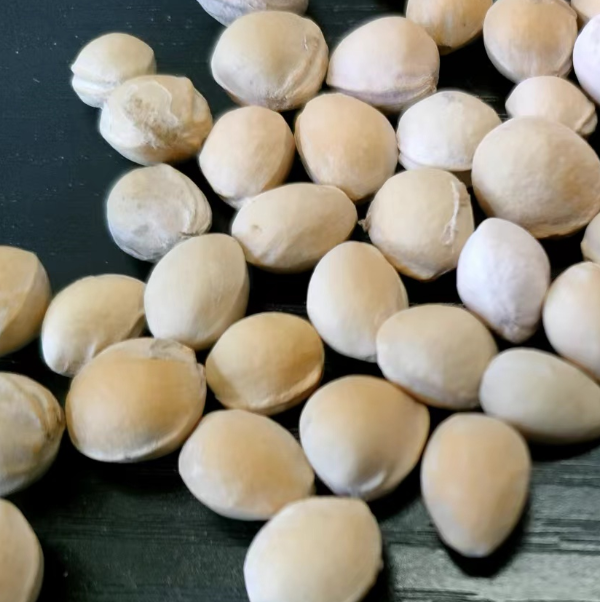
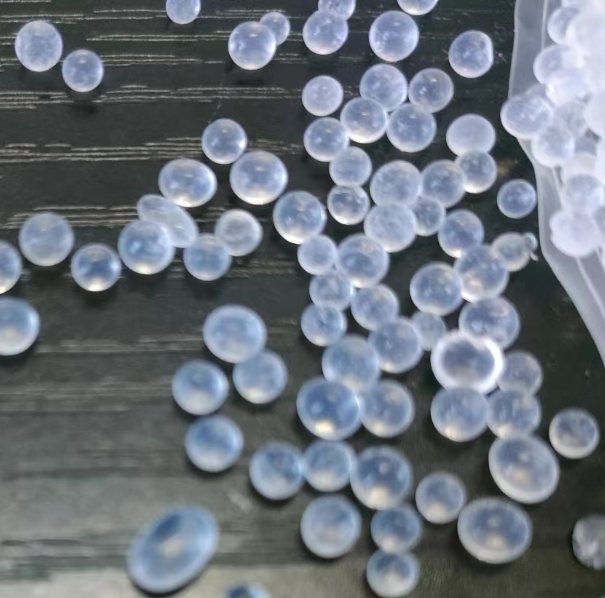
When designing microwaveable heat packs in compliance with BS 8433, brand owners often overlook several critical points that can impact safety, performance, and compliance. Below are key considerations frequently missed:
1. Uneven Heating & Hot Spots
Issue: Inconsistent distribution of heating media (e.g., grains, gels) can cause localized overheating, leading to burns or fabric damage.
Solution: Ensure even distribution and use materials with uniform heat conductivity. Design shapes that heat evenly in standard microwaves.
2. Inadequate Safety Warnings & Instructions
Issue: Vague or insufficient labeling on heating times, power settings, and handling precautions.
Solution: Provide clear, step-by-step instructions compliant with BS 8433, including:
-
Maximum heating time and wattage.
-
Warning to test temperature before use.
-
Prohibition of overheating or use on certain body parts.
3. Fabric & Material Suitability
Issue: Using fabrics that are not heat-resistant or that degrade after repeated heating, leading to leaks or burns.
Solution: Select durable, heat-resistant fabrics and ensure seams are securely sealed. Test material longevity under repeated microwave cycles.
4. Inconsistent Microwave Performance
Issue: Variations in microwave power outputs can cause overheating or underheating.
Solution: Specify a clear wattage range (e.g., 800–1000W) and test across different microwave models. Consider designing for lower wattages to minimize risks.
5. Lack of Testing for Repeated Use
Issue: Focusing only on initial safety, not durability over multiple uses.
Solution: Conduct cyclic testing to simulate repeated heating and cooling, checking for:
-
Media degradation or separation.
-
Fabric integrity and seam strength.
-
Consistency of heat retention.
6. Ignoring User Behavior & Misuse
Issue: Assuming users will follow instructions precisely; not accounting for common misuse (e.g., overheating for faster warmth).
Solution: Design with misuse in mind:
-
Integrate temperature-limiting materials if possible.
-
Use prominent, permanent labels (not just tags).
-
Consider adding a color-change indicator to signal safe temperature.
7. Overlooking Children & Vulnerable Users
Issue: Inadequate warnings for use by or on children, elderly, or people with sensory impairments.
Solution: Include specific cautions and consider a cooler maximum temperature for products marketed for vulnerable groups.
8. Inadequate Packaging Information
Issue: Packaging fails to communicate key safety points before purchase.
Solution: Use packaging to highlight:
-
Compliance with BS 8433.
-
Key warnings and heating instructions.
-
Target user groups and contraindications.
9. Environmental & Maintenance Factors
Issue: Neglecting cleaning instructions or environmental impacts (e.g., disposal of heating media).
Solution: Provide care guidelines and consider eco-friendly, biodegradable filling materials where possible.
10. Documentation & Traceability
Issue: Poor record-keeping of design decisions, testing, and compliance.
Solution: Maintain detailed documentation including:
-
Material specifications.
-
Test reports (especially for heating uniformity and burn hazards).
-
Rationale for safety features and instructions.
By addressing these often-overlooked aspects, brand owners can enhance product safety, ensure compliance with BS 8433, and build greater consumer trust.
 ∷
∷
 ∷
∷
 ∷
∷
 ∷
∷