Microwavable personal warmers - Heat Therapy
Selecting a Microwaveable Heat Pack Based on Body Area
- Product description: Find the perfect microwavable heat pack for your specific needs. Explore our guide to choosing heating pads by body part—neck, shoulder, back, abdomen, or joints—for effective, targeted pain relief an
-
Selecting the Right Microwavable Heat Pack Based on Body Area
A microwavable heat pack is a convenient and effective tool for soothing aches, easing muscle tension, and providing comforting warmth. To maximize its benefits and ensure safety, it’s important to choose a design that fits the specific part of the body you intend to target. Here’s a guide to help you match the heat pack to your body’s needs.
1. Neck and Shoulders
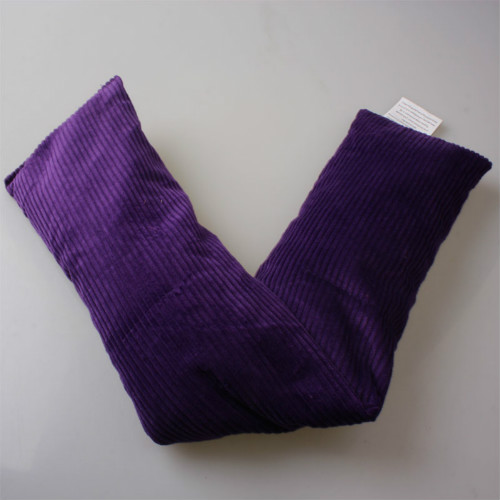
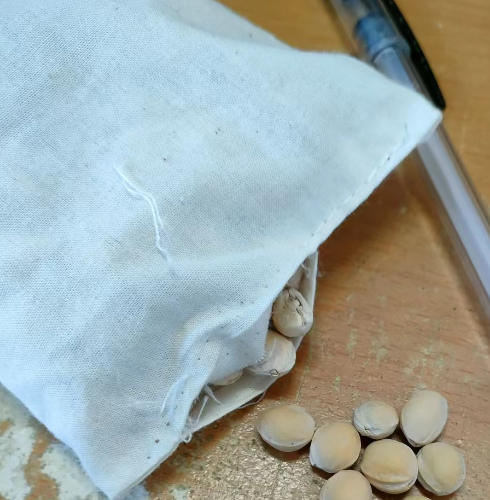
For the delicate curve of the neck and the broad slope of the shoulders, a contoured or U-shaped heat pack works best. These are designed to wrap comfortably around the back of the neck and drape over the shoulders, providing even, hands-free warmth. Look for packs with soft, flexible filling (like flaxseed or rice) that mold to your body’s shape. Avoid packs that are too rigid or bulky, as they may not stay in place comfortably.
2. Lower Back
The lower back requires stable, broad coverage. A rectangular or kidney-shaped heat pack is ideal here. It should be wide enough to span across your lower back and long enough to cover from the waist to the tailbone. Many designs come with adjustable straps or elastic belts to secure the pack in place, allowing you to move around while receiving heat therapy. Ensure the pack is not overly heavy, as this could strain the area further.
3. Abdomen
For abdominal cramps or discomfort, a large, flat, and flexible heat pack is recommended. It should be soft and pliable enough to conform to the gentle curve of your stomach. Some heat packs are specially shaped like a wide belt or a large pad, providing broad, soothing warmth without excessive pressure. Microwavable packs filled with aromatic herbs (like lavender) can offer additional relaxation benefits for this area.
4. Joints (Knees, Elbows, Ankles)
Joints need heat packs that can wrap around and encase the area. Sleeve-style or wrap-around heat packs with Velcro or elastic closures are perfect for knees, elbows, or ankles. These allow you to secure the pack snugly without restricting movement entirely. Look for packs that are lightweight and breathable, as joints are often in motion even during rest.
5. Feet
Cold feet benefit from bootie-shaped or long rectangular heat packs. Microwavable foot warmers are often designed like cozy slippers or elongated pads that you can place under or over your feet. They should be generously sized to cover from toes to heels and provide deep, lasting warmth. Avoid packs that are too stiff, as they may be uncomfortable to walk on or rest under your feet for extended periods.
6. Full Body or Large Areas
For widespread discomfort or general warmth, consider a large heated blanket or a full-body wrap. These are typically larger, quilted pads that can cover your back, legs, or torso. They are excellent for relaxation but require careful heating to ensure even warmth distribution. Always follow the manufacturer’s instructions to avoid overheating.
 ∷
∷
 ∷
∷
 ∷
∷
 ∷
∷